
Achieving More with AI Doesn’t Start Where You Think It Does
The other day, a friend of mine, a doctor, mentioned they were cautioning their children to stay away from following in their footsteps because of the advent of AI. Another in a similar conversation about someone pursuing engineering in school remarked that those jobs won't exist for humans in the future. While I wholeheartedly disagree to both, that's not the point. The point is rather, if doctors and engineers are believing that AI is coming for such complex and human centered professions, how are your employees feeling about their careers?
Leading teams and companies through the journey of a technology revolution requires strength and grit. Leadership is always about making hard choices - what differentiators do you use to separate from the competition, what investments will really provide return, and what skills are most important today and tomorrow?
Leadership in today's world also means communicating those decisions and illustrating your strategy to the folks that you depend on. You need to decide how you plan to lead those around you. If the path you are on means you are trying to do more with less, what does that mean for your workforce? Do you expect them to help you if you haven't effectively communicated their role on the journey? If you haven't communicated anything, aren't you leaving your strategic plans to their imaginations and fears?
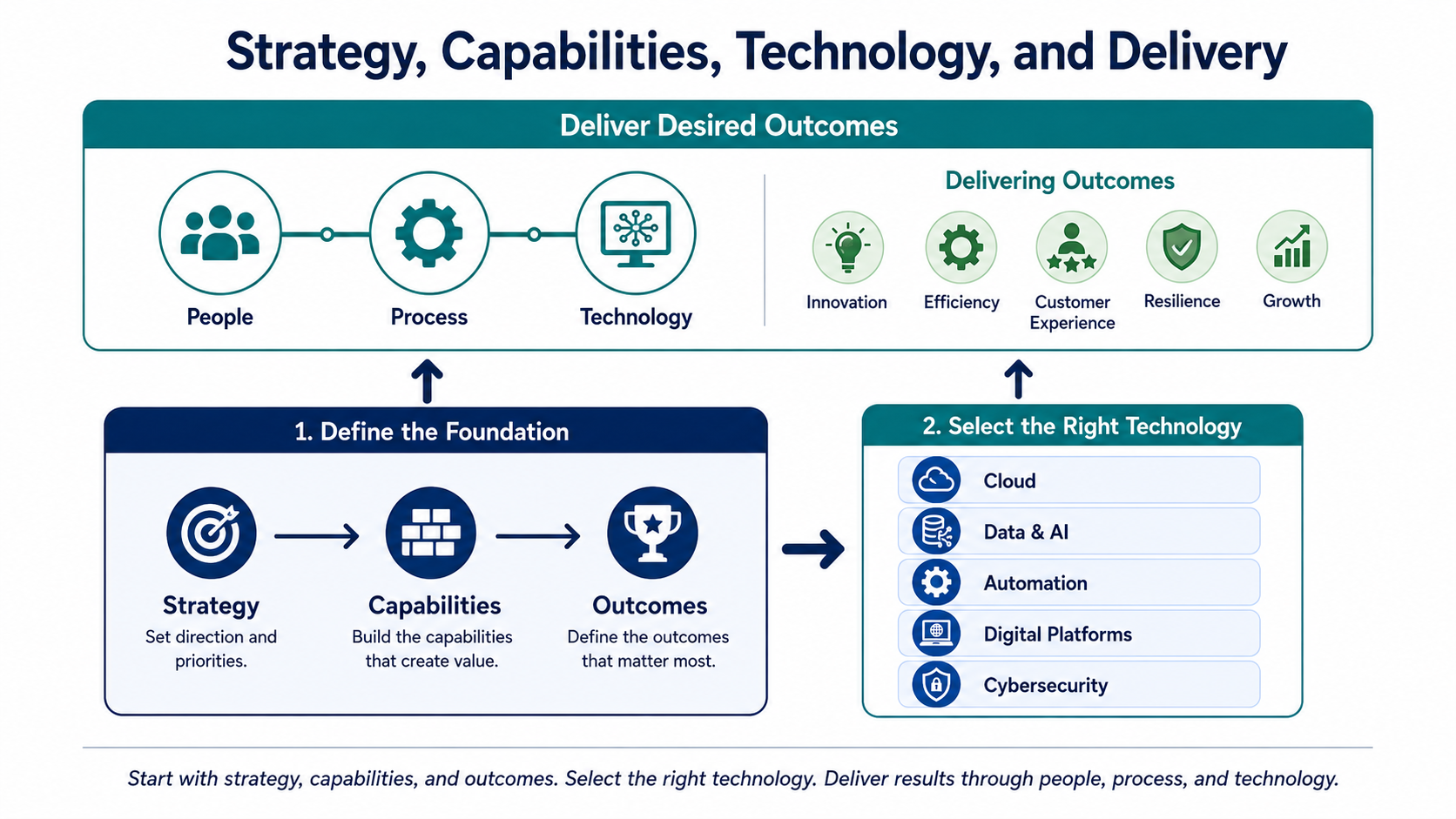
AI and technology strategy is not about Claude vs ChatGPT or building agents vs buying them. It's about defining your goals, communicating the outcomes you want achieve, and providing guidance and guardrails around how you want to achieve them. Rally your team around your end state and establish a framework for selecting the technology and solutions to get you there.
That's how you achieve more with less in the advent of AI.